The Treasure Hidden Below: Discovering the Potential of Rock Renewal


Stone surfaces add elegance and beauty to any space, yet with time, their luster can fade due to wear and tear. This is where the process of stone restoration comes into play, a process designed to revive the aesthetic and functional qualities of these materials. From domestic flooring to business countertops, stone restoration encompasses a variety of techniques aimed at cleaning, repairing, and restoring surfaces that have succumbed to age, damage, or neglect. Understanding the significance of stone restoration enhances not just the aesthetic appeal but also preserves the investment made in natural stone.
The art and science of stone restoration itself involve several unique processes, including cleaning, polishing, and sealing, tailored specifically to the specific type of stone being treated. Whether it's travertine, granite, or marble, the appropriate techniques can make a large difference in restoring a stone's original charm. As we delve into the in-depth realm of stone restoration, we will explore how professional services can transform your property, the typical signs showing your stone surfaces need attention, and the long-term benefits of investing in their upkeep. Accompany us on this journey to discover how stone restoration can rejuvenate your space, adding both beauty and value.
Comprehending Natural Stone Restoration
Stone restoration is the process of scrubbing, fixing, and restoring stone surfaces to bring back their initial beauty and utility. This method goes above mere cleaning; it handles different forms of deterioration, including gouges, blemishes, etching, and deterioration that collect over the years. By utilizing specific techniques and instruments, professionals can bring back the luster of stone surfaces, ensuring that they not only look good but also endure the challenges of years and routine wear.
One of the essential aspects of this process is the distinction between purifying, fixing, and restoration. While purifying includes eliminating dirt and contaminants from the surface, restoration entails more extensive interventions, such as smoothing, polishing, and protecting. This holistic approach merely enhance the look of the material but also prolongs its lifespan, helping property owners maintain their investments. Understanding these distinctions is crucial for individuals contemplating the maintenance of stone and repair.
The significance of stone restoration cannot be overstated, particularly for busy zones or locations with significant natural stone detailing. Regular maintenance and prompt restoration can avert minor issues from growing into costly repairs or substitutions. This practice is not just keep surfaces visually appealing but also boosts the value of the property, making it an integral part of property care for homeowners and businesses alike.
Expert vs. DIY Restoration
When it comes to stone restoration, the choice between professional services and do-it-yourself attempts can significantly affect the outcome. Professionals bring knowledge, state-of-the-art equipment, and understanding of specific materials that ensure the restoration process is effective and secure. They are familiar with the different types of stone, their distinct properties, and the best techniques to restore their aesthetic without causing additional damage. This expertise often results to a more thorough and lasting restoration than what an inexperienced individual might achieve on their own.
On the other hand, do-it-yourself restoration may appeal to those looking to reduce costs or tackle home improvement projects themselves. However, without the necessary training and equipment, homeowners face making common mistakes that can lead to permanent damage. Simple tasks such as washing or polishing can become costly errors if the wrong chemicals or methods are used, causing etching or blurriness in the stone surface. Additionally, a absence of knowledge about the stone's specific needs can result in insufficient restoration, leaving homeowners unhappy with the outcome.
Ultimately, while DIY restoration can appear easy, the risks may outweigh the advantages. Professional stone restoration not only ensures a high-quality finish but can also provide valuable guidance on upkeep and care, helping to preserve the beauty of your stone surfaces for decades to come. Investing in expert services often leads to better long-term outcomes and increased property worth, making it the smarter choice for most homeowners.
Advantages and Maintenance of Renovated Stone
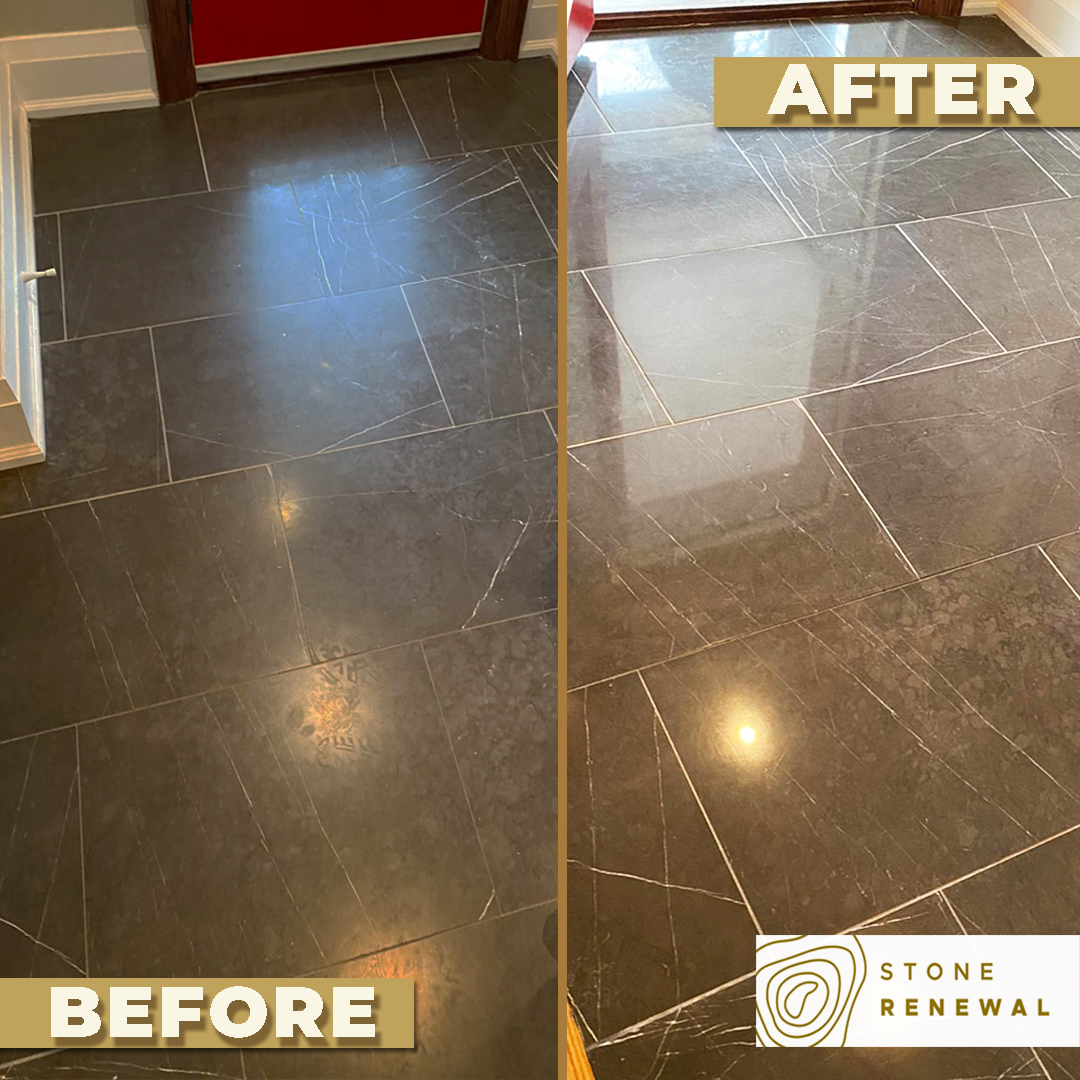
Restored stone exteriors not just enhance the aesthetic appeal of a property and additionally significantly boost its worth. When expert rock renewal is conducted, the natural beauty and distinctive features of the rock are restored, creating a new and inviting atmosphere. Property owners and business owners alike gain from the transformation, as attractive spaces draw more people and possible purchasers. This enhancement in look can play a crucial role in making a lasting first impression, thereby elevating the overall perception of the property.
Caring for restored rock exteriors is essential for long-lasting results. Regular maintenance and appropriate care routines assist in protecting the quality and appearance of the stone. Using mild, pH-balanced cleaners and steering clear of harsh tools will guarantee that the surface stays immaculate. Furthermore, using protective coatings as advised by professionals can guard against stains, scrapes, and various types of damage. Establishing a schedule for consistent maintenance will help preserve the investment made in stone restoration .
In addition, knowing the specifics of the specific type of rock is crucial for effective maintenance. Different rocks, such as travertine, have distinct traits and care requirements. Familiarizing oneself with the appropriate care methods for each type of stone ensures that the exteriors stay beautiful and durable over time. Through commitment to ongoing care and employing the insights gained from professional restoration, real estate owners can reap the advantages of their restored stone surfaces for many years to come.