Reviving Stone: A Step-by-Step Journey to Restoring Natural Elegance


Authentic stone surfaces bring a timeless grace and beauty to our houses and business environments, but they can suffer from damage over time. From the breathtaking appearance of marble stone and granite stone to the special charm of travertine stone, each stone category tells a narrative. However, the effects of to everyday use, the environment, and improper maintenance can lead to scratches, blemishes, and dullness that diminish their inherent beauty. This is where the restoration of stone comes into play, offering an essential service that not only restores the look of these surfaces but also increases their durability.
In this manual, we will discuss the complete path of restoring stone, detailing why it is so crucial and how professional services can change your space. From spotting the usual signs that signal a need for restoration to comprehending the different techniques and processes involved, we will equip you with the knowledge needed to appreciate and maintain the intrinsic beauty of stone surfaces. Whether you are a homeowner looking to enhance your home or a business owner aiming to dazzle clients, comprehending the nuances of stone restoration will help you decide wisely about how to maintain your investment.
Understanding Stone Refurbishment
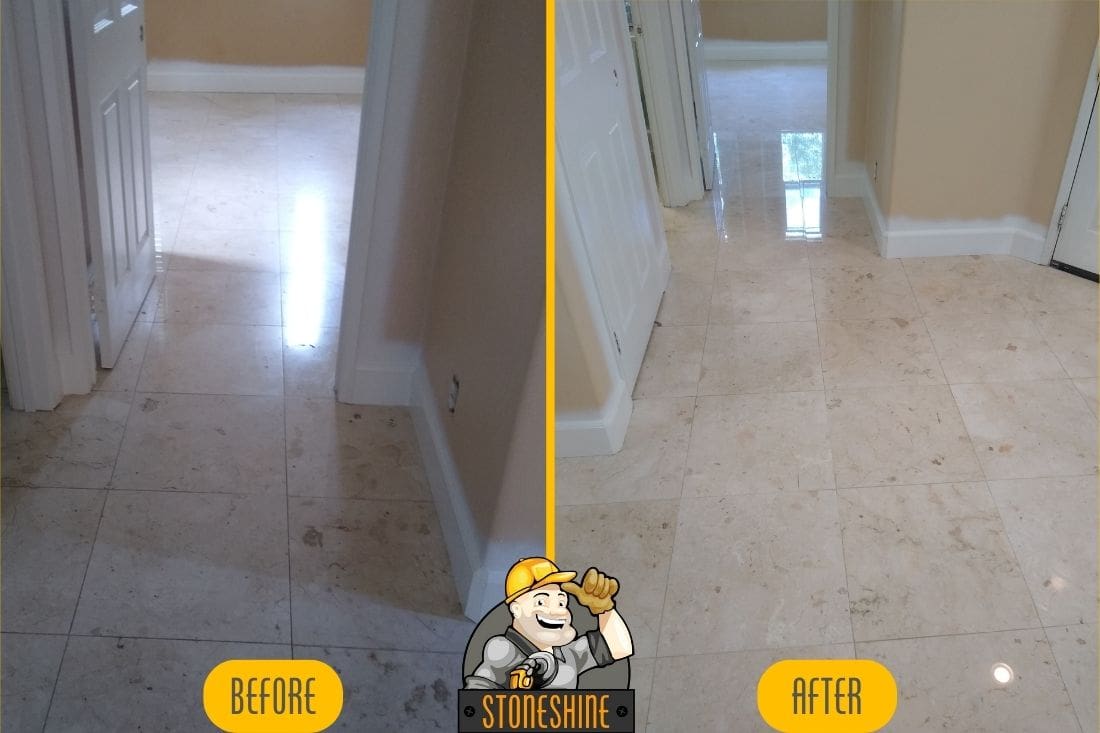
Stone restoration is the procedure of washing, fixing, and renewing genuine stone surfaces to bring back their original beauty and utility. As time passes, stone can become bland, stained, or hurt due to multiple factors such as foot traffic, environmental exposure, and incorrect maintenance. Realizing the importance of stone restoration is essential, as it not only improves the visual attractiveness of your property but also prolongs the longevity of the stone, ultimately saving you money on substitution costs.
One of the main aspects of stone restoration is distinguishing it from simple cleaning or repairs. Although cleaning takes away dirt and stains, restoration encompasses a broader approach that comprises fixing chips, honing, polishing, and sealing the stone. This varied process is important to address issues such as etching, scratches, and discoloration that may build up over time. By using professional techniques and tools, restoration can bring back the stone's intrinsic luster and integrity.
The benefits of stone restoration go beyond visual improvements. A properly refurbished stone surface can significantly increase the worth of your property, making it more appealing to prospective buyers or tenants. Furthermore, routine restoration and maintenance can reduce long-term damage, ensuring that your capital in natural stone remains sound. Understanding the restoration process helps property owners make educated decisions regarding their stone surfaces, ensuring they get the care and attention they require.
The Restoration Process
A marble repair process starts through a thorough assessment of that surface to discover the issues that need for taken care of. Specialists will examine its classification of stone, its extent of wear, as well as all discoloration or scratches identified. This preliminary evaluation is essential because this establishes the basis for a effective repair plan tailored to its specific needs for that surface. Equipped by such data, the repair group can select appropriate methods and solutions to attain optimal results.
When the assessment is complete, the restoration process moves towards its washing stage. https://mcmahon-schack-3.federatedjournals.com/the-art-of-mastering-elements-an-in-depth-guide-to-stone-maintenance-and-restoration -quality, pH-balanced cleansers are utilized for get rid of dirt, filth, and all accumulation on that surface area. This phase often involves techniques such as scrubbing using cloths or pads, depending on its stone kind and condition. After cleaning, all minor restorations like filling gaps or fissures can be performed for reestablish the structure of that surface, guaranteeing an level along with even area before moving on towards finishing and smoothing.
The phases of this repair process entail shining that stone for achieve a desired luster and finish. It might include the use of diamond pads and ultra-fine abrasives to smooth the area, followed by coating the stone to protect against from future harm. Maintenance recommendations are typically provided to property owners post restoration, stressing their value for consistent maintenance as well as upkeep for prolong its durability and beauty of their restored stone areas.
Advantages of Expert Restoration
Professional stone restoration offers an array of benefits that can greatly enhance the aesthetic and functional appeal of your premises. One of the most remarkable benefits is the ability to restore the true luster of natural stone surfaces. Experts utilize state-of-the-art techniques and tools that can effectively remove stains, marks, and scratches, reviving the stone’s rich colors and patterns. This not only improves the aesthetic appeal but also helps maintain the stone’s integrity over time.
Another key benefit is the maintenance of asset value. Well-maintained stone surfaces can boost the overall marketability of home and business properties. Professional restoration can extend the lifespan of materials, making it a cost-effective investment compared to regular fixes or complete replacements. By presenting a polished and well-maintained atmosphere, property owners can draw better offers and possible buyers or tenants.
Additionally, expert restoration services often include a protective process, which protects stone surfaces from future damage caused by moisture, blemishes, and environmental factors. This preventative measure not only enhances the strength of the stone but also streamlines maintenance for the owner. With regular maintenance guidelines from restoration professionals, property owners can ensure their stone surfaces remain stunning and strong for many years to come.