Solar Panels: Myths vs. Reality


As the world increasingly turns its focus on sustainable energy sources, solar panels have emerged as a key topic of discussion for homeowners and businesses alike. With a increasing number of people regarding solar energy as a practical alternative to traditional electricity, it's essential to differentiate fact from fiction. There are several myths surrounding solar panels that may discourage potential users from deciding the switch, leading to misunderstandings about their performance, costs, and benefits.
In this article, we will explore the realities of solar panels and address common misconceptions. From comprehending how solar panels operate and their efficiency ratings to disproving myths about setup costs and long-term savings, we will provide a comprehensive overview that provides you with the knowledge needed to make informed decisions. If you're considering a solar investment for your home or business, our aim is to elucidate the true value of solar energy and highlight why more homeowners are selecting this sustainable path than ever before.
Grasping Photovoltaic Systems
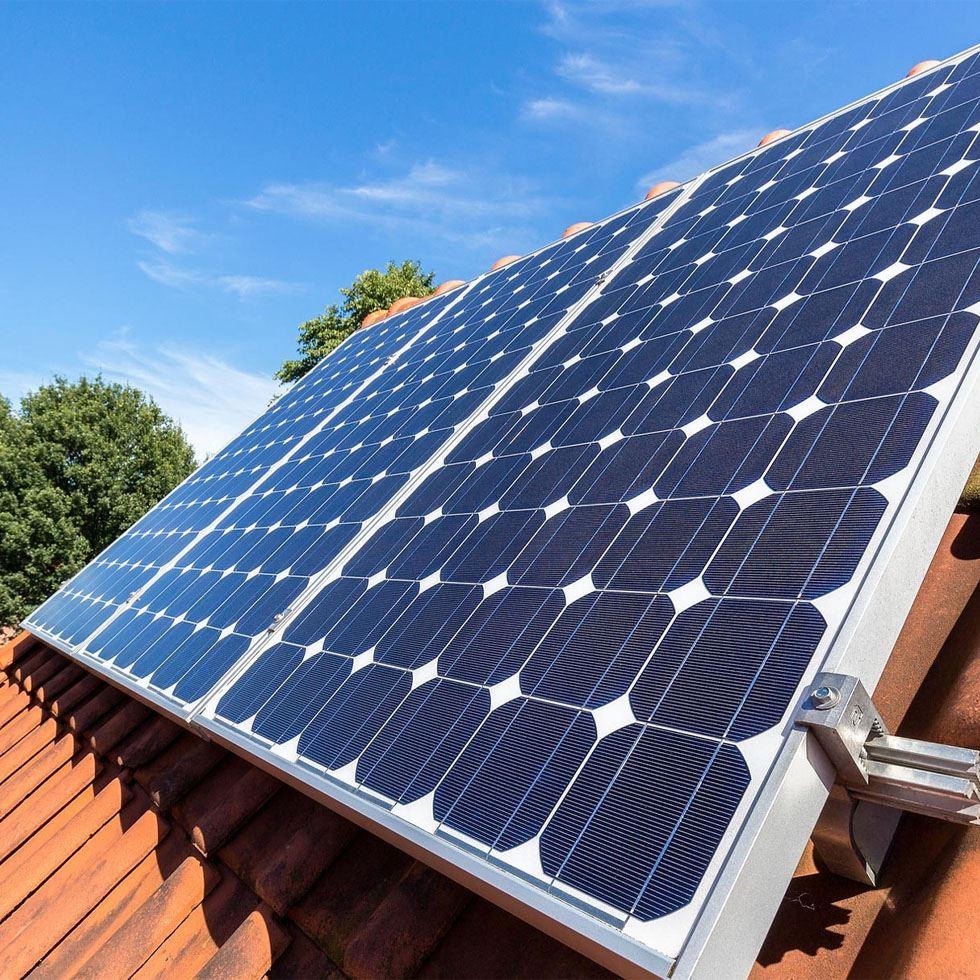
Solar energy panels are units that change solar energy into energy through a method known as the solar effect. All panel is composed of numerous solar cells made from semiconductor materials, typically silicon. When sunlight strikes these cells, it stimulates electrons, generating an electric current. This electricity can be employed immediately to energize your home, stored in batteries, or fed back into the grid, producing a sustainable power source.
There are mainly two primary types of solar panel technologies: monocrystalline vs polycrystalline. Monocrystalline are made from a one crystal structure, providing higher efficiency and a more compact design, while polycrystalline panels are made from many crystals and tend to be more affordable. Understanding these distinctions can help homeowners choose the suitable system for their energy needs and budget.
The setup of solar panels can significantly benefit homeowners and the environment. By utilizing the sun’s energy, you can reduce your energy bills, diminish your carbon footprint, and enhance your property value. As interest in renewable energy expands, more people are seeking to invest in solar technology, leading to improvements in efficiency and affordability, making it an compelling option for many families.
Benefits of Solar Energy
An essential aspects of solar energy is the ability to significantly lower power bills. By utilizing energy from the solar rays, homeowners can even eliminate their ongoing utility costs. Click for more info is particularly attractive as energy rates keep increasing. With the suitable solar panel system, several families experience a marked drop in their electricity expenses, making solar energy a savvy financial investment.
In addition to cost savings, solar energy contributes positively to the environment. By switching to solar power, households reduce their reliance on fossil fuels, which are significant contributors to pollution. Solar energy is environmentally friendly and renewable, producing zero pollutants during functioning. This shift not only helps in mitigating environmental impacts but also supports sustainable living practices, making it a thoughtful choice for eco-conscious homeowners.
Finally, solar energy systems can boost property value. Homes equipped with solar panels often have a higher resale value compared to those lacking. As an ever-growing number of buyers look for green features, having a solar panel system can make a property more attractive. This added value, combined with the long-term savings on energy costs, makes purchasing solar panels a persuasive financial decision for many homeowners.
Common Myths and Misperceptions
One common fallacy about solar panels is that they are ineffective in overcast or cold weather conditions. Many individuals believe that solar panels require direct sunlight to function efficiently. However, solar technology is designed to capture light energy, not just direct sunlight. Even on cloudy days, solar panels can collect diffuse sunlight and generate power, demonstrating their effectiveness in a range of weather climates.
Another misconception is that solar panels are too expensive and do not provide a good return on investment. While the upfront costs may seem daunting, many financial incentives, such as tax credits and discounts, greatly reduce the overall expense. Additionally, the long-term savings on electricity bills often counterbalance the installation costs, making solar panels a financially wise choice for many property owners.
Lastly, some individuals think that solar panels require extensive maintenance and are susceptible to damage. In reality, solar panels are constructed to withstand multiple environmental factors and require little upkeep. Routine cleaning and inspections can ensure peak performance. Most panels come with warranties that can last 25 years or longer, demonstrating their longevity and reliability over time.