This Green Revolution: Waste Management in a Green Environment


In world, the problem of managing waste has turned increasingly critical than ever. As our population persistently to expand and consumption patterns evolve, the incredible volume of waste we create is reaching concerning levels. Effective waste management not only fosters a clean environment while also plays a vital role in environmental sustainability, resource management, and public health. With a emphasis on creative solutions and practices, we can convert waste management into an avenue for positive change in our communities and businesses alike.
This article aims to serve as a thorough guide for those seeking to comprehend and enhance waste management practices. https://financialmanagementcornwall.co.uk/best-wealth-management-cornwall/ will examine the importance of accountable waste handling, common errors to steer clear of, and numerous strategies that can be put into practice at households, in classrooms, and within businesses. From the basics of recycling and composting to advanced technologies transforming the coming era of waste management, our exploration will highlight how every individual and organization can play a role to a more sustainable world.
Importance of Effective Waste Disposal
Efficient garbage disposal is essential for both environmental health and economic prosperity. With the increasing levels of garbage generated by homes and companies, appropriate refuse management practices are necessary to reduce contamination and lessen the burden on waste disposal sites. When garbage is not managed effectively, it can lead to earth, water, and atmospheric pollution, which represents serious threats to public well-being and the ecosystem. Adopting effective waste management solutions contributes to ensure that harmful substances are disposed of securely, promoting healthier and clean communities.
Additionally, effective waste disposal is a key factor in the sustainability efforts of companies. Companies that embrace integrated waste management strategies can significantly reduce expenses by minimizing garbage generation and enhancing reuse possibilities. This not just improves their bottom line but also improves their brand reputation among eco-friendly consumers. As organizations face increasing pressure to demonstrate CSR, a solid refuse disposal strategy can be a distinctive element in a competitive market.
Finally, the importance of effective waste management goes beyond single organizations and localities to impact global environmental issues. By embracing eco-friendly waste practices, people can play a role in lowering greenhouse gas emissions, fight against global warming, and move towards a circular system where materials are reused rather than thrown away. This shared effort is essential for building a viable future, making efficient garbage disposal not just a regional issue but a worldwide priority.
Novel Waste Management Techniques
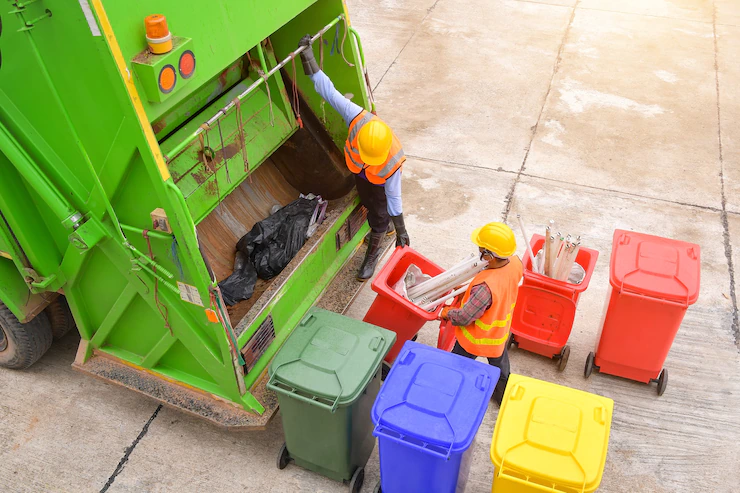
In recent years, creative waste management practices have arisen as crucial strategies for attaining sustainability. One notable advancement is the use of technology in waste sorting and recycling processes. Intelligent sorting systems equipped with artificial intelligence and machine learning can identify recyclable materials with high accuracy, thereby boosting recycling rates and lessening contamination. These technologies not only optimize waste processing but also promote a circular economy by confirming that materials are repurposed efficiently.
Another forward-thinking approach is the adoption of waste-to-energy conversion systems. These plants use advanced technologies to transform waste into usable energy, such as electricity or heat, considerably reducing the volume of waste sent to landfills. This practice plays a role to both waste reduction and energy generation, providing an eco-friendly alternative to standard waste disposal methods. Communities are acknowledging the dual benefits of managing waste sustainably and producing renewable energy sources.
Furthermore, community-based initiatives aimed at local composting programs have gained traction. These programs promote residents to redirect organic materials from landfills, converting food scraps and yard waste into nutrient-rich compost. This not only minimizes waste generation but also gives communities a cost-effective way to improve soil health for gardens and green spaces. By nurturing a culture of composting, cities can enable citizens to take an active role in waste management while supporting environmental stewardship.
Upcoming Insights in Waste Management
The outlook of waste management is progressively being shaped by technological advancements and creative approaches. Smart waste management systems incorporating Internet of Things (IoT) technology are being developed to optimize collection routes and assess waste levels in real-time. This data-driven approach not just boost efficiency but also decreasing operational costs and carbon emissions. As cities continue to grow, these smart solutions will turn into vital in managing urban waste more sustainably and effectively.
Additionally, there is a stronger emphasis on circular economic practices that prioritize resource recovery and waste minimization. Businesses are acknowledging the importance of designing products with their end-of-life in mind, leading to an increase in the adoption of sustainable packaging and materials. This change is not only for the environment but also provides opportunities for companies to innovate and meet rising consumer demand for eco-friendly practices. Awareness campaigns on waste reduction and the importance of recycling will further support this trend.
Moreover, regulatory changes are anticipated to take a key role in shaping waste management strategies. Governments around the world are implementing more stringent regulations to reduce landfill use and support recycling initiatives. These regulations encourage businesses to adopt more sustainable practices, such as thorough waste audits and the development of effective waste reduction plans. As public awareness grows regarding the environmental impacts of poor waste management, businesses that actively adapt to these trends will gain a competitive advantage and contribute to a more sustainable future.