This AI Evolution: Comprehending AI Agents


Artificial intelligence has progressed swiftly, moving from elementary coding activities to creating advanced systems capable of operating on their own. AI agents embody a novel territory in the tech world, altering the framework of various industries and reshaping how we operate commercially. These self-operating systems can carry out duties, make decisions, and learn from their environment, leading to improved productivity and output. Understanding what AI agents are and how they work is vital for anyone looking to tap into their capabilities.
As AI agents continue to gain traction, businesses are discovering their game-changing potential. From streamlining routine activities to revolutionizing customer service and planning, these advanced agents are not just gadgets; they are strategic partners that can drive growth and innovation. In this article, we will explore the essentials of AI agents, investigate their applications across multiple industries, and examine the future of these agents in the professional setting. Whether you are a novice or an experienced professional, this guide will equip you with essential information into the era of smart technology that AI agents are leading.
Understanding AI Agents
AI agents are computer systems designed to execute tasks on their own, utilizing algorithms and data to reach decisions minus explicit human intervention. These agents are coded to analyze information, adapt from their context, and adapt their actions in response. By replicating aspects of human intelligence, AI agents can engage users, grasp context, and carry out complex operations, making them valuable tools in multiple sectors.
The emergence of AI agents is changing modern organizations by automating routine tasks, enhancing customer experiences, and improving effectiveness. Unlike traditional software tools, AI agents possess the ability to acquire skills over time, producing increasingly refined outputs and processes. This capability unlocks new avenues for businesses, allowing them to prioritize strategic planning and innovation while AI handles repetitive tasks.
As organizations start to embrace AI agents, it is important to grasp their various uses and potential effects. From automating customer support to advancing sales strategies, these intelligent systems can propel significant advancements in productivity. Comprehending the principles of AI agents and their capabilities is critical for businesses seeking to exploit this technology effectively.
AI Agents in Business
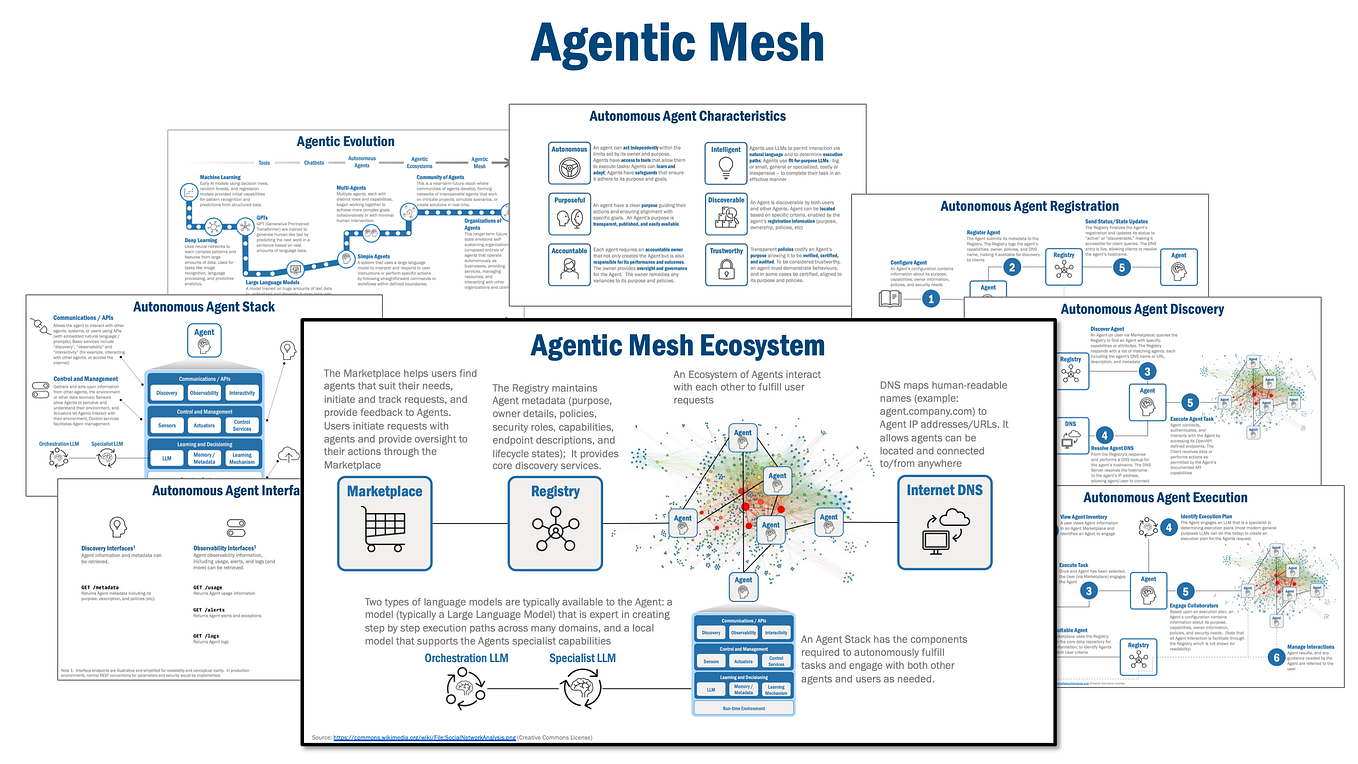
AI agents are becoming crucial factors in transforming how companies operate. They provide the capability to automate a variety of functions, ranging from customer support questions to complex data analysis. By managing standard tasks, AI agents allow human employees to concentrate on strategic decision-making and more artistic endeavors. This transition not only boosts productivity but also enhances the overall efficiency of teams across various fields.
In fields like marketing and sales, AI agents support in lead generation and customer engagement. They analyze consumer behavior, personalize outreach efforts, and enhance marketing campaigns, resulting in higher conversion rates. Additionally, AI agents can give immediate insights and recommendations, helping businesses drive informed decisions that promote growth. As a outcome, businesses that utilize AI technology often see notable gains in customer satisfaction and retention.
Additionally, AI agents play a pivotal role in process automation, streamlining processes and improving collaboration among teams. They can function as managers for project management, guaranteeing that tasks are finalized on time and identifying obstacles in workflows. AI Start-up enables businesses to operate more effectively, leading to quicker project completions and more productive use of resources. As businesses continue to integrate technological innovations, the adoption of AI agents will likely become a usual practice in achieving operational excellence.
Creating and Integrating AI Agents
Creating and deploying an AI agent involves numerous essential steps that are important for making sure the agent operates efficiently. Initially, it is essential to establish the particular aims and tasks the artificial intelligence agent will handle. This entails comprehending the challenges it will tackle, the data it will use, and the expected results. Clear objectives direct the building process and help in selecting the appropriate resources and platforms.
After the goals are defined, the subsequent step is to choose the appropriate set of technologies for creating the AI agent. This comprises selecting languages, libraries, and ML models designed for the applications at hand. Engineers often leverage existing platforms and tools that aid in the development of artificial intelligence agents, such as PyTorch, TensorFlow, and various libraries for NLP. Creating prototypes can be valuable during this process to test the AI agent's functionality with real-life situations.
After creating the artificial intelligence agent, implementing it within an enterprise requires considerate incorporation with legacy systems and workflows. This step focuses on educating users, rollout strategies, and regular observation for assessing effectiveness. It is important to collect responses from stakeholders to detect any potential improvements. An cyclical method allows organizations to refine the AI agent over the long term, ensuring it modifies to shifting business needs and successfully improves performance.