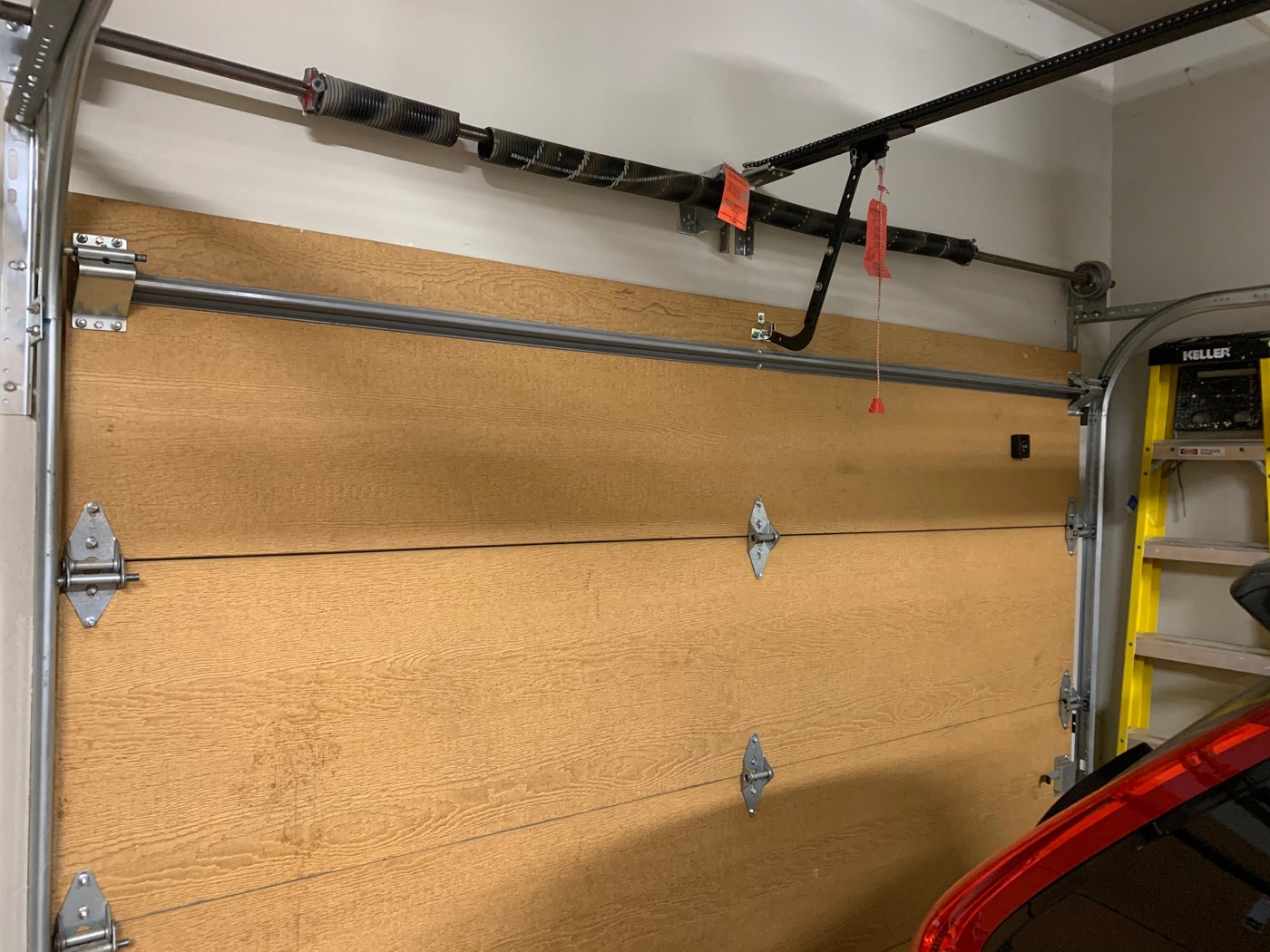
The Ultimate Handbook to Garage Door Maintenance


The garage door is one such essential components of a home that often goes without attention until problems occur. Whether you are rushing to get to work, returning from a shopping trip, or just enjoying the convenience of your garage, a working garage door is vital for both safety and smooth operation. But, like any mechanical system, garage doors need regular maintenance and occasional repairs to ensure they function smoothly and safely.
In this ultimate guide to garage door maintenance, we will discuss the various signs that suggest your garage door may need immediate repair, the most common challenges homeowners face, and practical strategies to keep your door in good working order. From understanding why your garage door won't open to knowing when it's time to call in a specialist, our comprehensive resource will assist you navigate all elements of garage door care. Whether a DIY enthusiast or just looking to gain knowledge about your garage door, this guide is designed to equip you with the info you require to maintain your door effectively.
Signs That Your Garage Door Requires Repair
An early indications to show that your garage door may require repair occurs when it starts making unexpected sounds while operation. Common sounds such as rattling, creaking, or clunking can signal problems beneath the surface such as worn-out rollers, loose hardware, or a failing motor. Paying attention to these noises can help you notice problems before they worsen before they escalate into more major issues.
A different sign occurs when your garage door is uneven or doesn't open and close smoothly. You might see that it shakes, pauses, or closes on its own while attempting to open or close. This can indicate difficulties with the door's alignment, issues with the tracks, or malfunctioning springs. Ensuring a smooth operation is important not only for ease of use but also for protection.
Finally, check if your door is trapped halfway or seems out of balance. A door that cannot seal properly can lead to security vulnerabilities and energy loss. If you find that your garage door is unresponsive to your remote or wall switch, this might also warrant a repair. Disregarding these issues can lead to more serious issues down the line, so it is important to stay vigilant.
Frequent Issues and DIY Fixes
One typical challenge homeowners face with garage doors is alignment issues. When the door does not open or close properly, it can often be traced back to misaligned tracks. To fix this, start by inspecting the tracks for any foreign objects or blockages. If the tracks are clear, use a level to see if they are aligned. If Go here 're not, relax the screws holding the track and carefully adjust it into place. Then, re-tighten the screws, and evaluate the door's performance.
Another frequent problem is a garage door that makes noise, which can be troublesome and vexing. This noise often is caused by missing lubrication or aging parts. Regularly using a silicone lubricant to the rollers, hinges, and tracks can greatly lower the noise level. If the problem persists, examine the rollers and bearings for damage. Replacing worn-out components can often restore quiet operation and boost the door's functional capability.
Finally, homeowners often encounter issues with garage door sensors that fail to work. If the door cannot close as expected, it may be due to dislocated sensors. Verify that the sensors are aligned and clear of blockages. Wiping the sensors with a soft cloth can also remove accumulated dirt. If the sensors are still malfunctioning after alignment and cleaning, consider installing replacements, as defective sensors may lead to safety hazards.
When to Consult an Expert
Knowing when to call a professional for garage door repair is crucial for both safety and efficiency. If you notice a significant issue, such as a broken spring or a malfunctioning opener that you cannot resolve yourself, it is best to seek expert help. Garage doors are heavy and operate under tension, which can lead to serious injury if mishandled. Attempting to fix complex problems without the right tools or experience can result in further damage or personal harm.
Another indicator that it's time to consult a professional is when multiple issues arise simultaneously, like strange sounds, inconsistent movement, or if the door fails to open or close correctly. These signs suggest that there may be underlying problems, like cable damage or a misaligned track, which require skilled diagnosis and repair. An experienced technician can assess the situation accurately and provide a comprehensive solution, ensuring your garage door operates smoothly and safely.
Lastly, if your garage door has not been well maintained and is showing signs of wear and tear, it is wise to get a professional evaluation. They can offer insights on whether repair or replacement is the more cost-effective option in the long run. Consistent maintenance and prompt repairs by an expert can help avert minor issues from growing into significant costs, thereby saving you money and prolonging the lifespan of your garage door.