Surpassing the Essentials: Cutting-edge Survey Services for Contemporary Projects


In today’s fast-paced world, the need for accurate and reliable surveying services has become increasingly essential. As urban development accelerating and land use growing more complex, professionals in the field are stepping up to provide innovative solutions that address modern project demands. Whether it’s a residential construction site or a large-scale infrastructure project, grasping the subtleties of various surveying services can lead to for successful outcomes.
As technology continues to progress, so do the tools and methods employed by surveyors. From GPS and drone technology to advanced surveying software, the industry is experiencing a transformation that enhances precision and efficiency. In this article, we will examine the basics of surveying services, address common misconceptions, and emphasize the importance of hiring a professional surveyor. Come along as we explore the top reasons to prioritize high-quality surveying and assess the myriad ways it contributes to successful building endeavors , property development, and land planning.
Key Benefits of Expert Surveying
Professional surveying provides a solid foundation for any land or development project. One of the primary benefits is the accurate definition of property lines, which helps to prevent disputes between adjacent property owners. This understanding not only protects individual property rights but also assures possible buyers and investors that they are making educated decisions. By having clear boundary lines defined, property owners can assuredly plan their projects, knowing clearly where their property begins and ends.
Another significant advantage of engaging a expert surveyor is their specialization in various specialized surveys, such as topographic, ALTA/NSPS, and property line surveys. Each category serves a distinct purpose and is essential depending on the project's requirements. Experts bring their expertise of state regulations and standards, ensuring that all surveys comply with legal obligations. Land Surveyors Swindon Wiltshire reduces the risk of future legal complications and delays, which can be financially burdensome and lengthy for property developers and homeowners alike.
Moreover, modern surveying increasingly utilizes advanced technology, such as Global Positioning System and unmanned aerial vehicles, to enhance accuracy and productivity. These tools not only allow for faster data collection but also provide thorough insights that were not feasible with old-fashioned methods. Utilizing technology ensures that surveyors can deliver extensive reports and map land features effectively, making it more straightforward for clients to comprehend survey results and make informed decisions regarding their properties and projects.
Categories of Evaluations and The Importance of Their Significance
Surveys are crucial instruments that help in multiple aspects of realty, construction, and site development. Each type of survey serves a specific purpose and provides unique insights. Property boundary surveys are critical for defining property lines and resolving disputes, meanwhile topographic surveys assess the configuration and characteristics of the land, making them necessary for development and site design projects. ALTA/NSPS surveys combine comprehensive boundary information with supplementary data necessary for funding and protecting property, highlighting the importance of accuracy in these particular surveys.
Comprehending the different types of surveys allows property owners and developers to create educated decisions before initiating any project. For instance, a land survey can help reveal potential concerns such as encroachments or easements that could affect future initiatives. In addition, construction marking services guarantee that construction layouts are executed correctly on-site, lessening the chance of expensive mistakes during the construction phase. By having a comprehensive understanding of what each survey includes, stakeholders can lessen risks and facilitate the building process.
Additionally, the correct survey type can save time and resources in the end run. For case in point, obtaining a flood elevation certificate can assist property owners in comprehending potential dangers and insurance requirements, while zoning compliance surveys guarantee that developments can proceed without delays due to regulatory issues. In the end, choosing the right survey type is essential for the effectiveness of any project, guiding decision-making and providing confidence for all parties.
Technology and Trends in Modern Land Surveying
The surveying industry is going through fast transformation thanks to innovations in tech. Unmanned Aerial Vehicles have changed the manner assessments are performed, enabling for faster data gathering over large areas with unprecedented precision. Equipped with high-resolution cameras and LiDAR sensors, UAVs can create detailed topographical maps and 3D models, making them crucial for property developers and building projects. As a result, surveyors are now able to accomplish surveys more quickly, reducing labor costs and increasing overall accuracy.
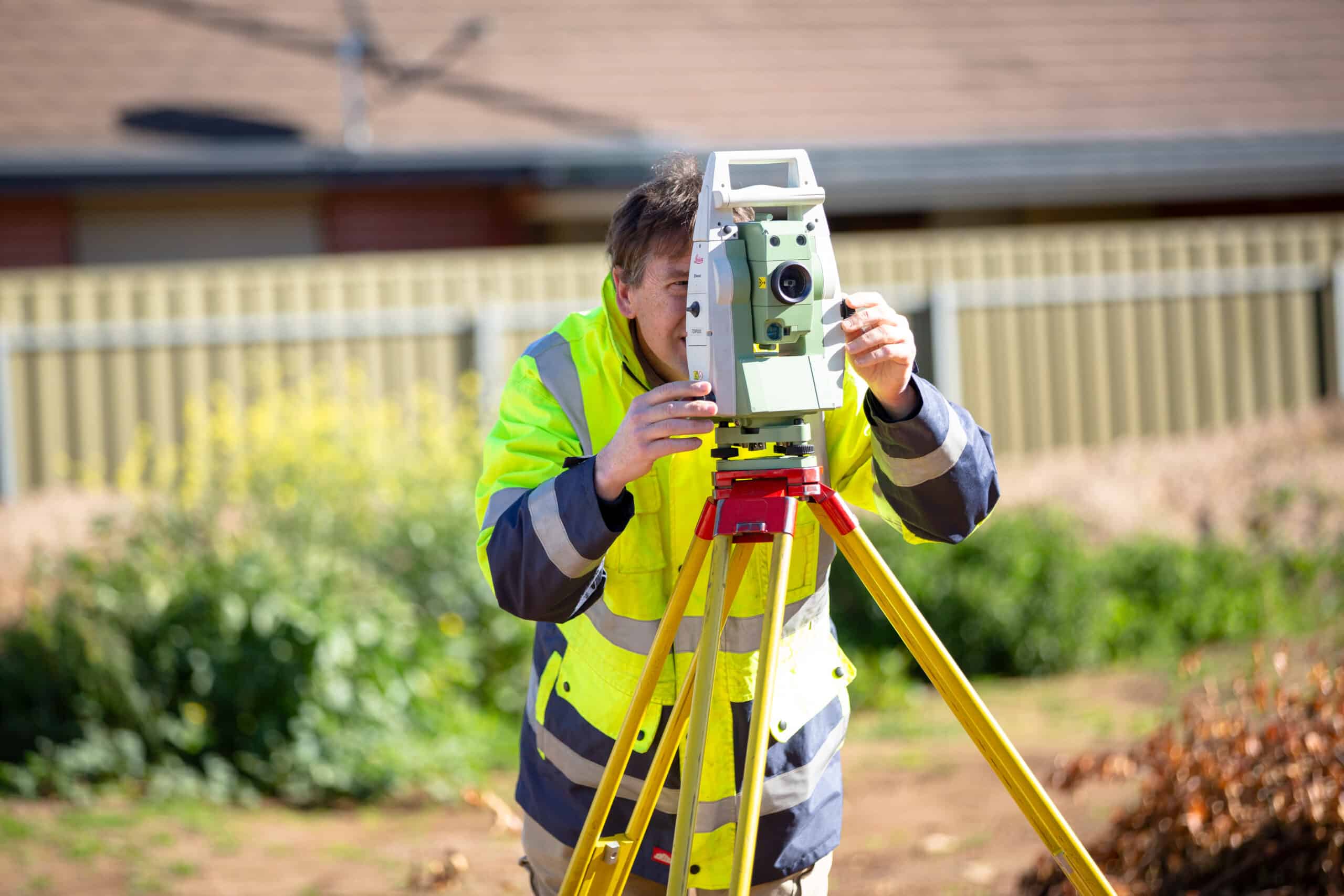
In addition to drones, GPS technology has considerably enhanced the functions of land surveyors. Precision GPS devices allow surveyors to determine coordinates with astonishing accuracy, resulting in more reliable data for boundary surveys, construction staking, and environmental assessments. This tech not only optimizes the surveying workflow but also aids mitigate potential disputes over land lines and easements, which can conserve property owners and developers a significant deal of time and money.
Another trend transforming the surveying landscape is the integration of software tools that aid in data analysis and visualization. Geographic Information Systems (GIS) are more and more being utilized to combine survey data with zoning information, flood zones, and other important features. This synergy allows for a holistic understanding of land use and development potential. The use of such tech not only enhances the decision-making method for developers and planners but also ensures compliance with regional regulations and zoning laws, ultimately fostering sustainable community growth.