Selling Your Car Over the Internet: Guidelines for a Profitable Sale


Selling your automobile online can be a profitable experience if managed properly. In the current digital age, buyers are more and more seeking out the web for their future vehicle, making it a fantastic opportunity for sellers to access a larger audience. However, maneuvering through the online marketplace can come with its own set of obstacles and stressors. To ensure a seamless and beneficial transaction, it is crucial to be fully prepared and aware about the complete selling process.
In this article, we'll examine 30 intelligent tips to help you sell your car swiftly and efficiently. From understanding the required documents and pricing strategies to preparing your automobile for showings, we will cover everything you need to know. Whether you're debating between individual sales or opting for a exchange, we’ll offer insights to help you formulate the best option. Additionally, we will discuss common pitfalls to steer clear of and how to negotiate for the best deal, ensuring you can sell your car with assurance and ease.
Essential Suggestions for a Seamless Sale
To guarantee a hassle-free transaction when parting with your car, start by gathering all necessary documents. This includes the ownership papers, car registration, and maintenance records. Prospective buyers appreciate honesty, so having a comprehensive history of your vehicle will establish trust and likely increase its value. Additionally, be willing to provide a bill of sale, which formalizes the transaction and ensures the safety of both parties participating.
Next, pay attention to presenting your car in the best ideal light. Thoroughly clean both the interior and body, and consider addressing any small fixes that could improve its appeal. A clean and well-cared-for car implies to prospective customers that it has been maintained and is a good investment. Take high-quality photos in good lighting and from various angles to create an impressive listing that showcases your car's features.
In conclusion, when it comes to pricing, do your due diligence to set a fair yet equitable price. Use web-based appraisal tools and contrast like listings in your area to determine a justifiable asking price. Be open to discuss, as back-and-forth is a typical part of the car-selling process. Stay firm on your bottom line but remain receptive to fair bids to facilitate a swift and easy sale.
Understanding Your Options: Private Sale vs. Vehicle Exchange
When determining to sell your car, you have two primary options: a direct sale or a trade-in. Selling your car privately can often yield a better price since you are directly negotiating with the buyer. This method enables you to highlight your vehicle's characteristics, records, and form without a dealer inflation. However, it demands more time and effort to put up the vehicle, communicate with potential buyers, and handle all the paperwork.
In contrast, trading in your car at a dealership offers a fast and convenient transaction. You can apply the trade-in value directly to your next car acquisition, simplifying the process greatly. Sell My Car Panmure Castle Angus manage the paperwork and can expedite the sale faster than a private sale. However, the trade-in value is usually less than what you could obtain through a personal sale as dealerships must sell the vehicle at a markup.
In the end, choosing between a private sale and a dealer exchange depends on your preferences. If achieving the highest return is your goal and you have the time and ability to handle the sale on your own, a direct sale might be the better route. Alternatively, if you value ease and efficiency, exchanging your car can streamline your experience, allowing you to prioritize purchasing your new car.
Navigating Legal Aspects and Records
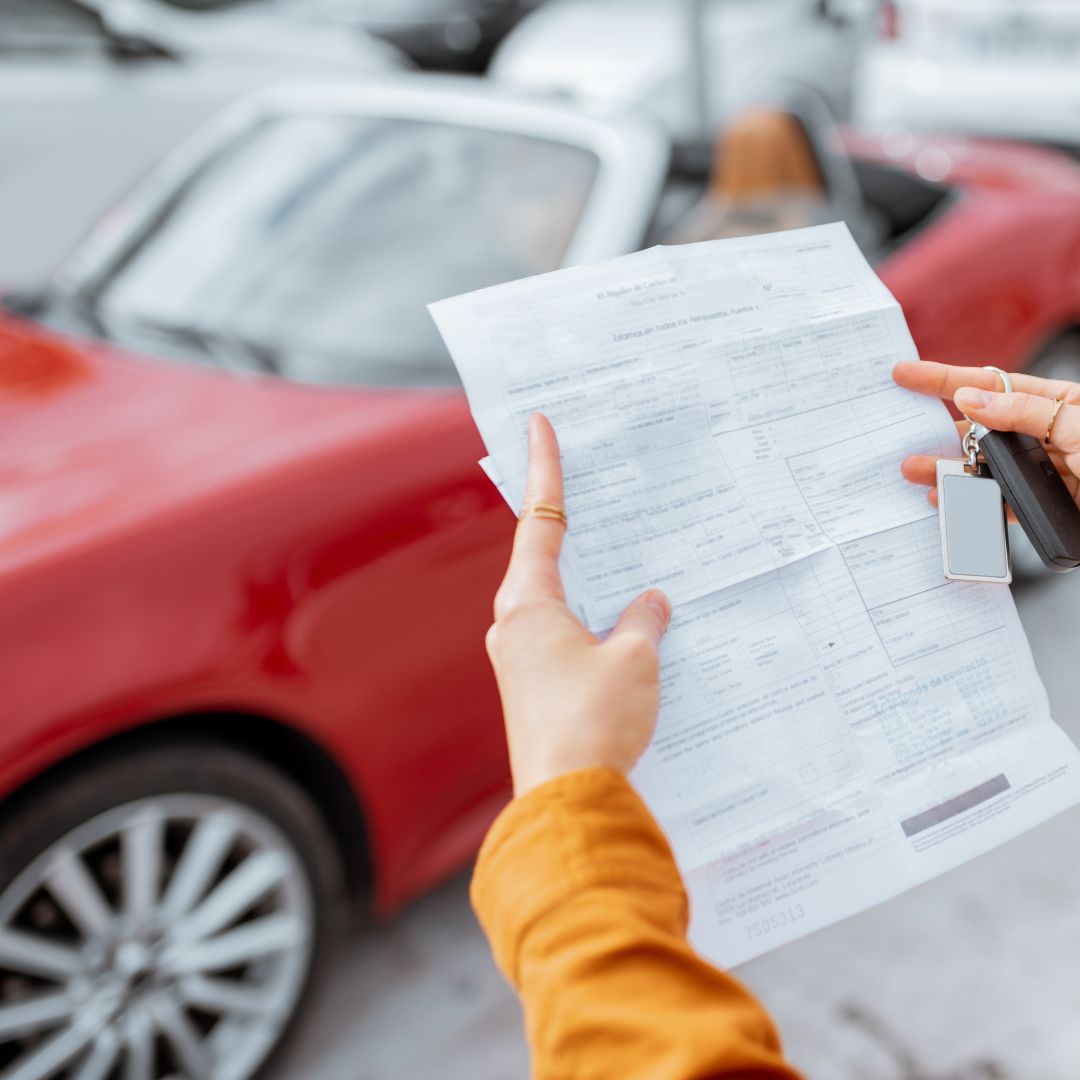
When disposing of your car, understanding the legal requirements and essential paperwork is crucial to ensuring a smooth transaction. Begin by gathering important paperwork, such as the vehicle title, registration, and any maintenance records. The title proves your possession, while the registration offers evidence that the car is legally allowed to be on the road. Based on your state or country, you may also need a bill of sale, that serves as a record for the transaction.
It's also essential to be mindful of any outstanding finance on the vehicle. If there is an active loan, you must clear it before transferring ownership to avoid issues. Some lenders may have certain procedures for selling a car with a loan, so consulting them for help can assist you navigate this process. Ensure that both parties understand their rights and responsibilities in this transaction to avoid legal disputes later on.
Finally, familiarize yourself with the regulations governing car sales in your area. This includes knowing emissions regulations, required inspections, and taxes that may apply. These requirements can vary significantly from location to location, so doing your research will help you prepare successfully. By ensuring that all legal aspects are addressed, you can concentrate on getting the best price and a problem-free selling experience.