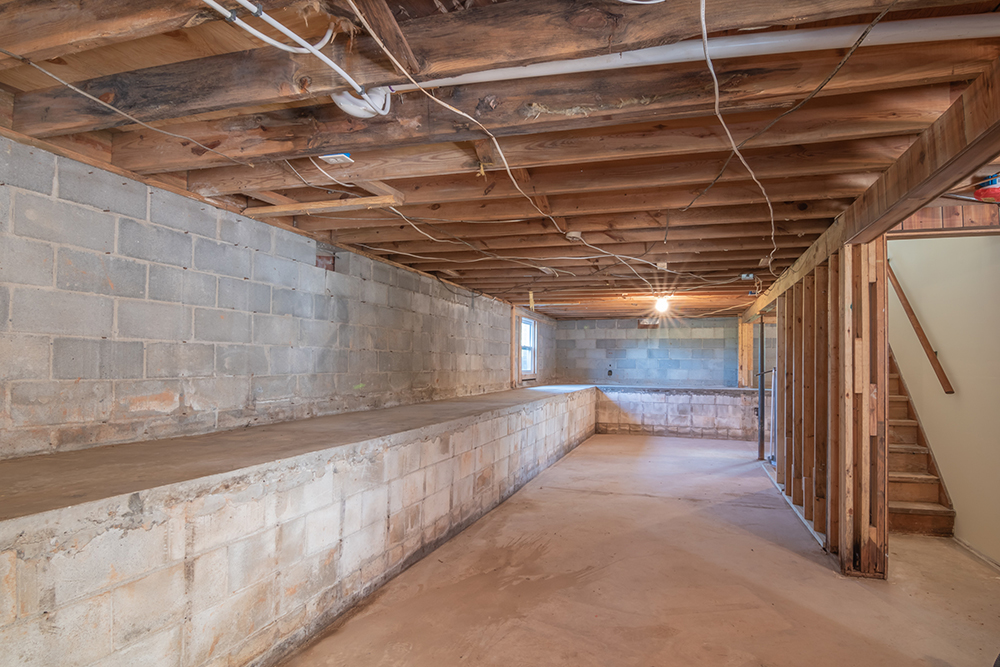
Seal Your Fortress: Essential Cellar Protection Strategies


As it relates to protecting your home, there are few spaces that are as critical yet often overlooked as the basement. This subterranean area can be a valuable resource for storage and living space, but it can also become a liability if not properly managed. Water intrusion can lead to structural issues, mold growth, and a host of health concerns, making basement waterproofing essential for homeowners. Whether you live in a vintage property with a history of leaks or a modern build that seems secure, understanding the best practices for securing your basement is crucial.
In this comprehensive guide, we will discuss a variety of effective basement protection strategies. From identifying the warning signs that signal your basement needs immediate attention to making informed decisions about the best waterproofing methods, we’ve got you covered. Click for source will also examine how proper waterproofing not only safeguards your foundation but can also enhance your home's value and improve indoor air quality. Let's dive into the key techniques that will help you waterproof your castle and keep your home environments dry and safe.
Basement Sealing Essentials
Basement sealing is a critical aspect of home maintenance that ensures your living space remains moisture-free and secure. It involves strategies and methods designed to prevent water leakage, which can lead to a range of issues, including mold growth, foundation issues, and reduced property worth. Identifying the right sealing technique for your home is important, whether you are dealing with current moisture problems or protecting a new build from potential water damage.
One of the most common causes of basement leaks is inadequate drainage. Water can accumulate around the foundation due to intense rain or melting snow, leading to seepage through cracks and openings in the walls. Homeowners should be watchful for early signs that their basement needs sealing, such as damp smells, visible water stains, or peeling paint. Routine checks and proactive measures, like putting in drainage systems and pumping systems, can significantly reduce the risk of water-related issues.
When evaluating basement waterproofing, it's important to understand the distinctions between interior and exterior methods. Interior sealing focuses on sealing the basement from the inside, often using obstructions or finishes, while exterior methods involve correcting drainage problems outside the foundation, such as grading and installing drainage trenches. Each method has its merits, and the optimal selection depends on the extent of the water intrusion and the structural layout of your home.
Comprehending Waterproofing Expenses
As considering waterproofing a basement, it's important to comprehend the costs involved. Multiple considerations affect these expenses, including the size and status of your basement, the type of waterproofing method selected, and the level of the damage that require to be resolved. Typically, homeowners can anticipate to pay anywhere from a small amount to thousands of currency, depending on their specific situation. It is also important to take into account potential future savings from avoiding future water damage, mold growth, and foundation problems.
Diverse basement waterproofing methods come with diverse costs. Indoor options, such as sealants and sump pump setups, may be more affordable initially than exterior solutions that require excavation and drainage setups. But, interior methods can sometimes be ineffective for serious water issues. An insight of these financials and the potential return on investment can help individuals make knowledgeable determinations about what method is best for their needs.
Finally, when planning for waterproofing, keep in mind additional costs that might emerge. Engaging a professional can mean extra expenses, but it also ensures the job is done accurately. Property owners should also account for possible repairs to any existing damage and ongoing maintenance costs. Ultimately, reviewing these aspects will provide a clearer picture of the cost implications necessary for a successful basement waterproofing initiative.
Avoiding Damage and Boosting Value
Putting money in waterproofing your basement is essential for avoiding harm that can lead to expensive fixes down the line. A safeguarded basement helps to prevent issues such as mold and structural damage, which can greatly affect the integrity of your home. Addressing humidity issues early on is essential because even minor leaks can develop into significant issues, causing serious deterioration to your foundation and overall structure. By proactively waterproofing your basement, you not only safeguard your home but also grant reassurance for your family.
Increasing the worth of your home is another significant benefit of basement waterproofing. Potential buyers often regard a dry, well-cared-for basement as a valuable feature, as it indicates that the property has been maintained. Moreover, a waterproofed basement provides additional functional area, which can be converted into a living area, home office, or recreational space. This extra functional space can greatly enhance your home's appeal and market value, making it a smart investment for both current enjoyment and future resale.
Additionally, waterproofing your basement leads to improved air quality by stopping moisture accumulation which can lead to mold and mildew. A dry environment is more conducive to healthy living conditions and can help reduce allergens in the home. Improved air quality is a strong selling point for interested buyers, making it even more crucial to ensure your basement is properly waterproofed. Ultimately, a dry and well-maintained basement improves your home’s resilience while strengthening its market value, making it a essential element of effective homeownership.