Regular Vessel Protection Care: Keep Your Craft In Top Condition


Maintaining your boat cover is equally important as maintaining your vessel it. A properly maintained cover doesn't just beautify the aesthetics of the boat but also is essential for protecting it from the elements, ensuring the investment stays pristine for years to come. Regardless if you're new to boating or a seasoned veteran, realizing the importance of seasonal maintenance can help you save you time and money in the long run.
From selecting the right materials to learning how to properly attach your cover, this guide will walk you through all the essentials about keeping your boat cover in top shape. Uncover the differences between tailored and universal covers, investigate the benefits of multiple materials, and find out how to clean and store your cover effectively. As you navigate the waters of boat ownership, let this guide serve as your beacon, helping you shield your craft from harsh weather while preserving its beauty and functionality.
Selecting the Right Boat Cover
Choosing the best boat cover is essential for protecting your investment and ensuring its longevity. Commence by considering the size and shape of your boat, as covers come in multiple styles, from traditional boat covers to specialized options for different types of vessels. Accurately measuring your boat is key to achieve a snug fit that prevents damage from the weather, whether it be rain, snow, or UV rays. Moreover, pay attention to the features that enhance functionality, such as ease of installation and secure fastening systems.
Next, materials play a major role in the effectiveness of your boat cover. Common options include canvas and polyester, each offering unique advantages and disadvantages. Canvas is strong and provides excellent protection from UV rays, but can be heavier and less water-resistant than polyester. On the flip side, polyester is lighter and can often be more water-resistant. Evaluating these materials in relation to your boating environment and storage conditions will guide you in making a smart decision.
In conclusion, consider whether a custom or universal boat cover is best for your needs. Custom boat covers are designed to fit your specific model perfectly, providing optimal protection and a sleek look. However, they can come at a increased price point. Universal covers, while more budget-friendly, may not offer the same degree of protection due to fit issues. Assessing your budget, the typical weather conditions, and how frequently you use your boat will help you determine the most best option for your way of life and maintenance goals.
Maritime Cover Upkeep Tips
To ensure the cover of your boat, it is essential to clean it regularly. Take away any soil, trash, and humidity after every outing. You may lightly scrub your cover with mild soap and a solution of water, then completely rinse to prevent soap residue. Let it dry in the air completely before housing to stop mold and mildew growth. Maintaining cleanliness preserves the appearance but also defends the material's strength.
Examine your vessel cover frequently for any signs of damage or damage, including worn edges, rips, or compromised seams. If you notice any irregularities, fix them immediately to prevent further deterioration. Small fixes can often be conducted with sealant tape or stitched patches, which may prevent you from needing to replace the entire cover too soon. Regular maintenance checks are a key part of your cover's upkeep.
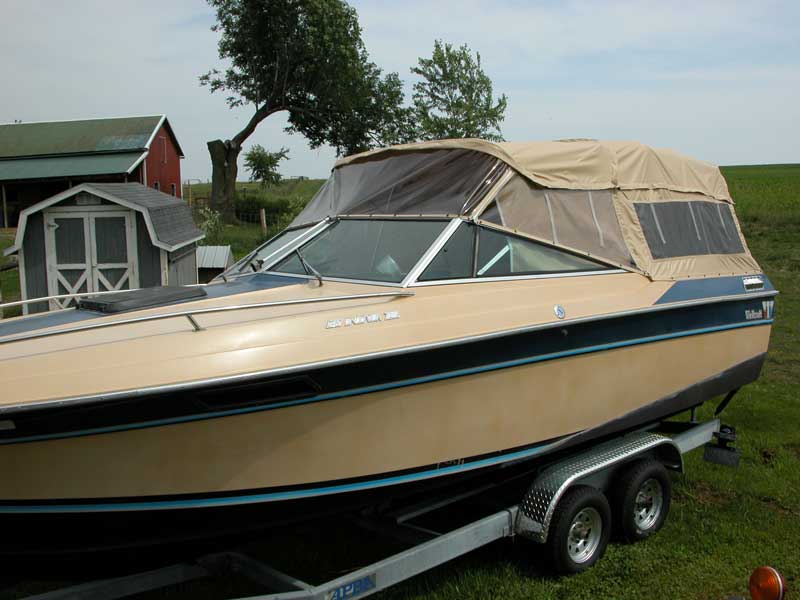
Correct storage of the vessel cover when not in operation is equally important. Store Canal Boat Canopy in a cool, dry place distant from harsh sunlight and adverse weather. If doable, use a cover bag tailored designed for boat covers to guard it from dust and insects. Following these guidelines will help uphold the performance and look of your cover, ensuring it serves you well for years to come.
Typical Mistakes to Avoid
One frequent error that a lot of boat owners make is failing to properly measure their boats before acquiring a cover. Precise measurements are crucial for ensuring a good fit, preventing water pooling, and shielding the boat from the elements. Always take comprehensive measurements that include the size, breadth, and height of your boat, accounting for any extra accessories such as structures or equipment. A subpar fit can lead to increased wear and tear on both the cover and the boat itself.
Another frequent error is ignoring the importance of material choice. Distinct covers offer various levels of protection against UV rays, water, and mildew. Numerous boat owners opt for a cover based solely on cost rather than thinking about the distinct environmental conditions their boat will encounter. Understanding the distinctions between materials, like canvas and polyester, can considerably enhance the longevity and effectiveness of your cover, making sure that it works its purpose well over time.
Lastly, improper storage of the boat cover when not in use is a mistake that can lead to damage. Neglecting to clean and dry the cover before storing can encourage mold and mildew growth, while cramming it into a confined space can cause creases and wear. Always clean your cover according to the manufacturer's instructions, allow it to dry fully, and store it in a temperate, non-humid place away from unfiltered sunlight to maintain its integrity and extend its lifespan.