Eco Stoves 101: A Comprehensive Guide to Eco-Conscious Home Cooking


In today's rapid world, the search for sustainable practices has emerged as a key focus in many facets of our lives, such as the way we prepare food. Eco stoves, a rising movement in modern kitchens, offer innovative solutions that not only address to our culinary needs but also correspond with environmentally friendly practices. These appliances are crafted to be energy-saving, minimize harmful emissions, and lessen our total carbon footprint, establishing them a valuable choice for people looking to contribute to a more sustainable planet while enjoying the comforts of cooking at home.
Regardless of whether you are a experienced chef or a casual cook, understanding what eco stoves are and how they work can enable you to make educated decisions about your cooking tools. This guide will investigate the multitude benefits of switching to eco stoves, compare them to conventional cooking methods, and dive deep into the effects on the environment they have. From space-saving solutions for small homes to the top brands on the market for 2025, we've got you covered on all fronts, making sure that your cooking journey is both enjoyable and eco-friendly.
Which Do You Mean By Eco Stoves?
Eco stoves are specifically engineered cooking appliances that emphasize energy efficiency and ecological sustainability. Unlike traditional stoves that can use fossil fuels or inefficient heating methods, eco stoves use renewable energy sources, such as plant materials, solar energy, or solar power, to minimize their carbon footprint. This advanced approach allows users to cook meals while also being aware of their ecological impact.
The core principle behind eco stoves is to reduce energy consumption and emissions. They often include advanced technologies, such as improved insulation, efficient burners, and smart controls that optimize fuel usage. By leveraging these advancements, eco stoves provide equivalent cooking performance to conventional stoves, often with additional benefits like faster heating times and lower operating costs.
Using an eco stove can significantly change how you view cooking and energy consumption in your home. These appliances are growing in popularity as more individuals desire sustainable options. By choosing an eco stove, you not only enhance your cooking experience but also contribute to a broader movement towards sustainable living and environmental responsibility.
Gains of Eco-Friendly Stoves
Eco stoves deliver numerous benefits that extend further than just efficiency in energy use. https://graph.org/Culinary-Art-with-Conscience-The-Reason-Eco-Stoves-Represent-the-Next-Generation-12-15 of the key advantages is their ability to greatly lessen your impact on the environment. By using renewable fuel sources such as wood or biomass, these stoves release fewer greenhouse gases when compared with traditional gas or electric stoves. This means that you also benefit from a green cooking method but also contribute to a healthier planet by minimizing your carbon footprint.
In addition to their ecological benefits, eco stoves often bring about significant reductions on energy bills. Because they are crafted to boost fuel efficiency, you will discover that they demand less fuel to generate the same amount of heat as traditional stoves. Over time, these cuts can accumulate substantially, making an eco stove a wise choice for property owners, particularly in regions where energy costs are increasing.
Another notable aspect of eco stoves is their favorable effect on indoor air quality. Unlike traditional stoves that may produce harmful substances, eco stoves are made to burn cleaner, thereby diminishing indoor air pollution. This is particularly beneficial for households with little children, elderly family members, or anyone with respiratory issues. By establishing a more secure cooking environment, eco stoves contribute to both the health of individuals and the formation of sustainable communities.
Green Stoves vs. Traditional Options
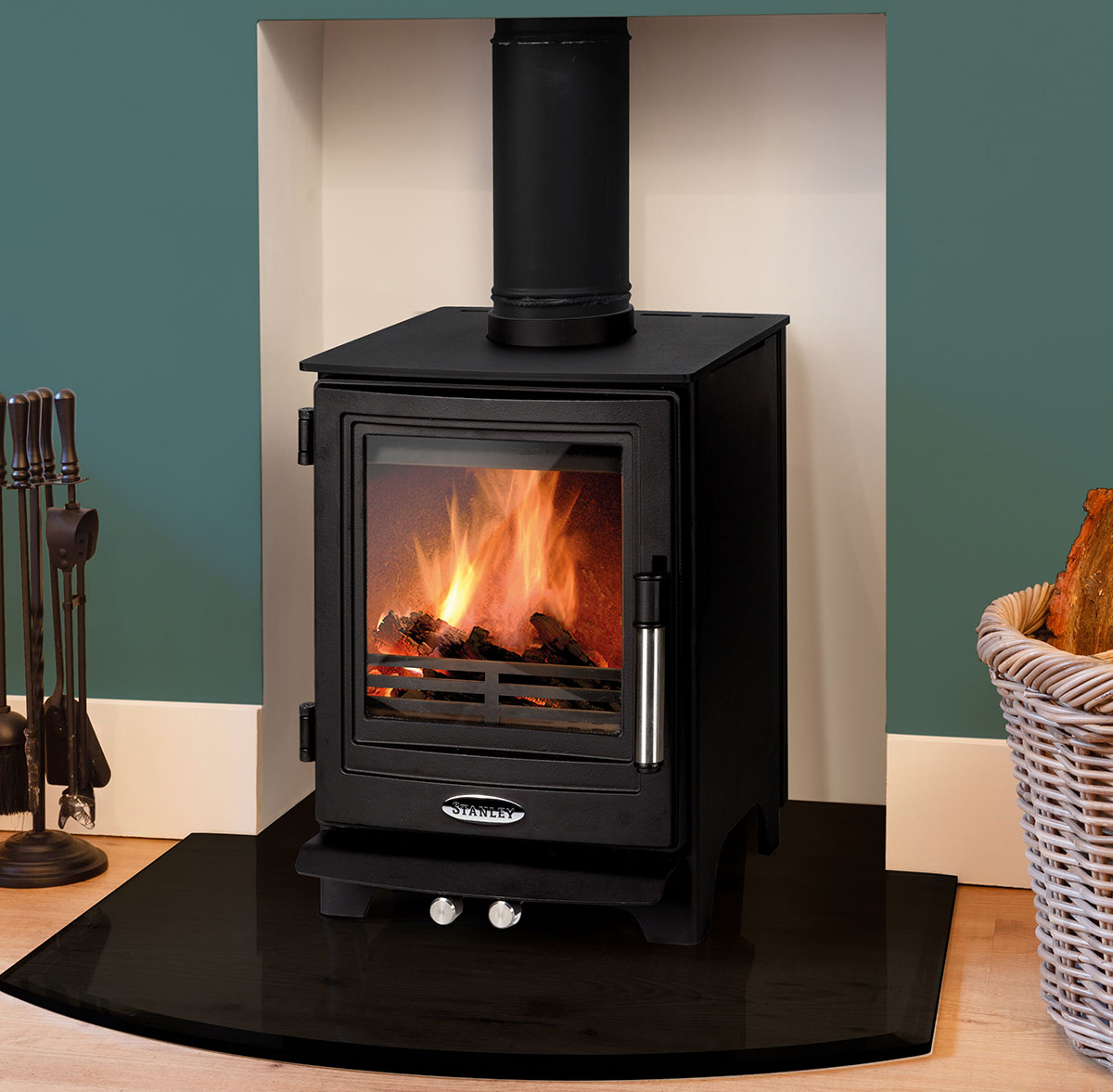
When comparing eco stoves to traditional cooking options, the primary distinction lies in their energy sources and efficiency. Eco stoves are crafted to utilize renewable energy sources, such as biomass or biomass, which offer a more sustainable alternative to fossil fuels typically used in gas-powered or electric stoves. Eco Wood Burning Stoves Doncaster aids a diminution in greenhouse gas emissions but also adds to a more resilient energy landscape. Traditional stoves can often be inefficient, consuming more energy to achieve the same level of heat, ultimately affecting both the ecosystem and your energy bills.
Another notable difference is in the cost of operation and overall care. Eco stoves tend to have lower operating costs when contrasted with traditional methods, especially in areas where biomass fuels are readily available and cost-effective. Additionally, many eco stoves include advanced technologies that enhance fuel efficiency, lessening the amount of fuel required for cooking. In contrast, traditional stoves may require greater frequent maintenance due to their reliance on complex gas or electric systems, which can lead to higher long-term costs for homeowners.
Finally, the health implications associated with the quality of indoor air are significant when considering these two options. Eco stoves are often built with features that reduce indoor air pollution, employing advanced combustion technologies that ensure cleaner burning of fuels. This is particularly important in homes where cooking and heating are done in confined spaces. Traditional stoves, on the flip side, can contribute to higher levels of indoor pollutants, which may pose health hazards over time. Therefore, selecting an eco stove not only favors sustainability but also encourages a healthier home.