Eco-friendly Living Simplified Straightforward through Heat Systems


Heat pumps are growing a common choice for homeowners who want to realize sustainable living while avoiding sacrificing comfort. These versatile systems provide both warmth and chilling by transferring heat from the ambient air or ground to your home, making them a resource-saving alternative to traditional HVAC systems. As the world shifts towards greener solutions, understanding heat pumps and their benefits is critically significant.
In this article, we will examine everything you ought to learn about heat pumps, from how they work to the different categories available. We'll address common questions about performance, setup, maintenance, and the sustainability aspects of heat pumps. Whether you're thinking about a fresh setup or merely looking to enhance your existing system, this comprehensive guide will provide the information you seek to make well-informed choices that benefit both your home and the planet.
Understanding Heat Transfer Systems
Heat pumps are cutting-edge devices that deliver both heating and cooling for houses by transferring heat from a location to another. In contrast to conventional HVAC units that generate heat through combustion or electricity, heat pumps move heat using a refrigeration cycle, which makes them an cost-effective solution. They draw heat from the air or ground and can send it to the interior areas in winter, while in summer, they can invert the process to cool the house by removing heat from inside. This two-in-one capability allows homeowners to maintain pleasant temperatures year-round.
Effectiveness is one of the primary benefits of heat pumps. They can produce two to four times more energy in the form of heat than they use in power, resulting in reduced energy costs and a reduced environmental footprint. Heat pumps are also suitable with various energy sources, such as renewable energy options, which enhances their sustainability. As concerns around climate change grow, many are looking toward heat pumps as a progressive option for home heating and cooling.
As heat pump innovation develops, more homeowners are evaluating these systems for their houses. The varieties range from air source heat pumps, which are simpler and less expensive to install, to geothermal heat pumps, known for their effectiveness even in harsh weather conditions. Understanding the different types, their operation, and long-term advantages is important for making an educated decision about whether a heat pump is right for your house.
Benefits of Heat Pumps
Thermal pumps offer a multitude of advantages that make them an appealing choice for homeowners looking to improve their HVAC systems. One of the most significant advantages is their efficiency in energy use. Compared to conventional heating and cooling units, heat pumps use less electricity by moving heat rather than generating it. This functional efficiency results in reduced energy bills, providing lasting cost benefits for residents.
Another notable benefit of heat pumps is their flexibility. They can provide both heat and chilling, making them a seasonal solution for controlling indoor climate. This two-in-one capability means that owners do not need individual systems for cold months and hot months, simplifying both installation and care. Additionally, many heat pumps are designed to operate in various climate conditions, ensuring pleasantness regardless of outdoor temperatures.
Lastly, heat pumps have a positive impact to the environment. By lessening reliance on non-renewable energy sources for climate control, they help lower greenhouse gas emissions. Many heat pumps also offer renewable energy benefits, such as refunds and tax credits, promoting green practices. Opting for Air Source Heat Pumps Halifax Yorkshire improves personal comfort but also advances efforts to fight against climate change.
Establishment and Upkeep Tips
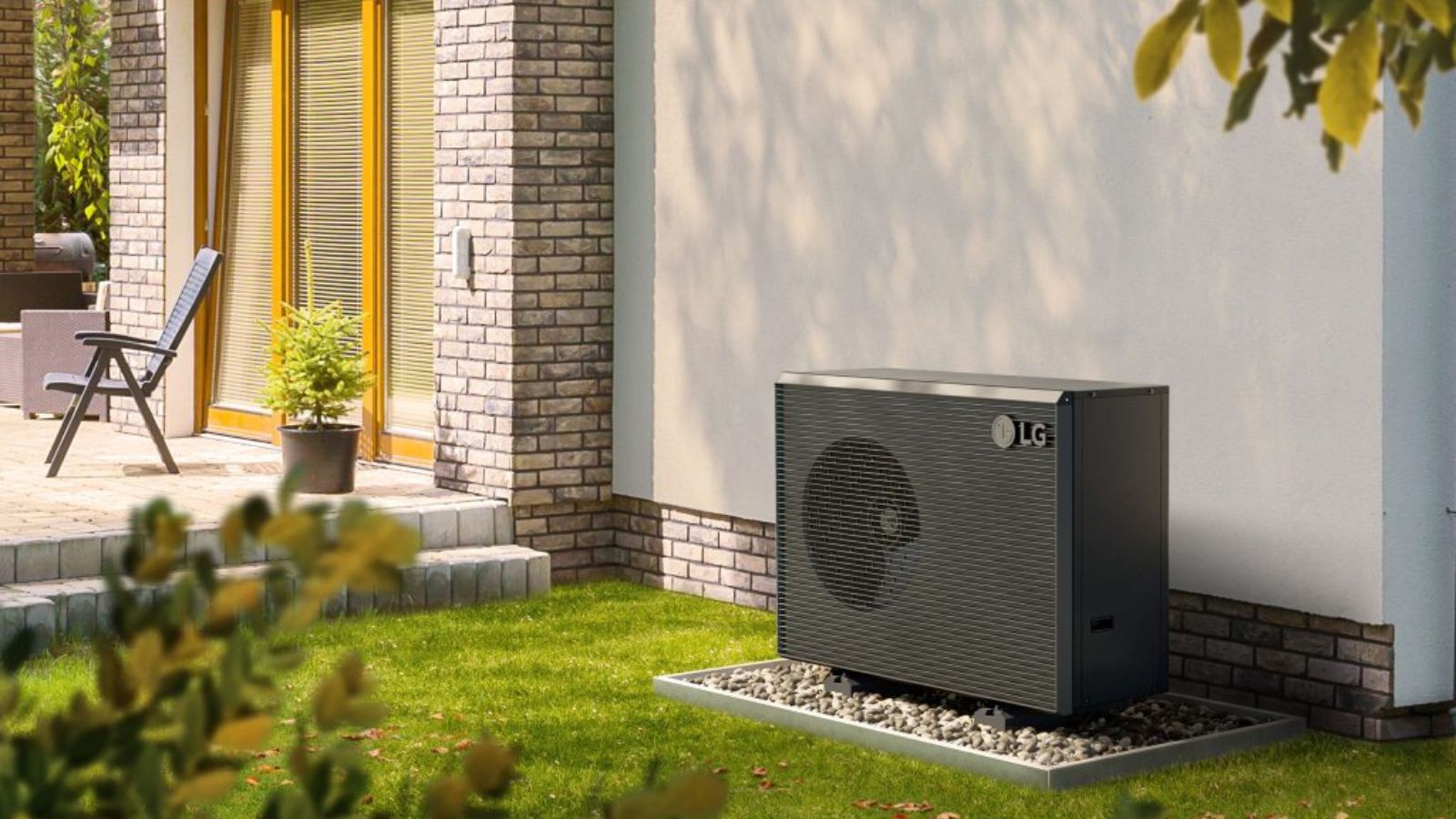
When installing a heat pump, consider engaging a qualified professional who has experience with the particular kind of system you are interested in. Proper establishment is crucial for optimal performance and functionality. Make sure to assess the space of your residence and pick a system that matches your warming and chilling requirements. It is also crucial to ensure that the area is clear of blocks and has sufficient ventilation to support efficient operation.
Regular upkeep is essential to extending the longevity of your heat pump. Set up annual check-ups and maintenance to maintain your unit in good condition. During these maintenance checks, professionals will inspect coolant levels, sanitize the coils, and check components for damage. Property owners can also conduct easy jobs, such as regularly replacing or maintaining air filters and ensuring external systems are free of clutter to boost airflow.
Lastly, be aware of any indications suggesting that your heat pump may need repair or substitution. Abrupt spikes in utility costs, strange sounds, or inconsistent heating or chilling could suggest concerns. Addressing these issues promptly can stop additional harm and ensure your HVAC system remains effective. Staying proactive about your heat pump maintenance will help you benefit from its perks for many years.