Boosting Performance: Harnessing the Power of Advanced Thermal Pumps


As increasingly search for optimal and green methods to heat plus air-condition the spaces, these heat-transfer systems are becoming increasingly prominent of contemporary HVAC debates. These flexible systems, which can simultaneously offer heating in the chilly season as well as cooling during the summer, are not only more energy-efficient than classic heating and cooling solutions but also come with environmental benefits that are difficult to overlook. With developments in tech, heat pumps have become increasingly efficient and available, making them an enticing option for those looking to enhance comfort while managing energy costs.
In this piece, we will discuss all you need to understand about heat pumps, including how they work and their performance in relation to conventional heating and cooling systems, as well as practical guidance on setting them up plus maintenance. We will tackle common questions, for instance how well they perform in colder climates, and if they are capable of replacing traditional furnaces. You'll also learn about the financial incentives offered for transitioning, in addition to tips for selecting the best heat pump for your home. Whether you're thinking about a new installation or an enhancement, comprehending the potential of heat pumps can maximize your home's energy performance and contentment for years to come.
Understanding Heat Pump Technology
HVAC heat pumps are versatile HVAC systems that provide both heating and cooling for houses. They function on the principle of moving heat from a specific place to another location, rather than producing heat through combustion like conventional furnaces. This enables heat pumps to be very effective, often yielding more energy in the form of heat or cooling than the electrical energy they use. Understanding their functioning is essential for homeowners considering this contemporary alternative for all-season climate control.
There are several types of heat pumps, including air-source, ground source, and ductless installations. Air source heat pumps draw heat from the outside air, while ground-source heat pumps utilize the stable temperatures below the earth's surface. Each kind has its own set of advantages and drawbacks, such as costs of installation, efficiency ratings, and appropriateness for various climates. This permits homeowners to select the system that most meets their specific needs and conditions.
The efficiency of heat pumps makes them an enticing option for lowering energy bills and environmental footprint. With the ability to provide home heat and air conditioning in a single system, heat pumps can reduce the reliance on fossil fuels. This dual functionality, combined with the increasing availability of financial incentives for setup, positions heat pumps as a wise choice for homeowners looking to upgrade their HVAC systems while enhancing efficiency.
Setup and Costs
Setting up a heating pump can vary greatly in terms of cost, depending on the kind of unit chosen and the complexity of the setup. Air source heat pumps tend to be more affordable to set up compared to ground source systems, which necessitate extensive excavation and complex setup. On Air Source Heat Pumps Harrogate Yorkshire , homeowners might expect to spend from five thousand to fifteen thousand dollars for unit installation, including the costs of equipment and labor. It’s crucial to obtain multiple quotes from licensed installers to ensure a competitive rate and comprehensive service.
When taking into account setup expenses, it’s also important to consider any extra expenses such as modifications to ductwork, electrical upgrades, or permits needed by local building codes. For currently built homes that do not currently have a duct system, ductless heat pump systems can be a budget-friendly solution, though the initial investment may still be substantial. Homeowners should also ask about any available heat pump rebates and tax credits that might offset these costs, which can help to make the initial investment more manageable.
In terms of schedule, the installation process for a heat pump typically takes 1 to 2 days, based on the type of system and the house’s requirements. It is recommended for property owners to plan ahead and arrange installations during temperate weather seasons, to ensure optimal performance and effectiveness right from the start. Working with a trustworthy installer who can provide a thorough assessment will lead to a more straightforward setup and maximize the advantages of the latest heat pump unit.
Effectiveness and Functionality
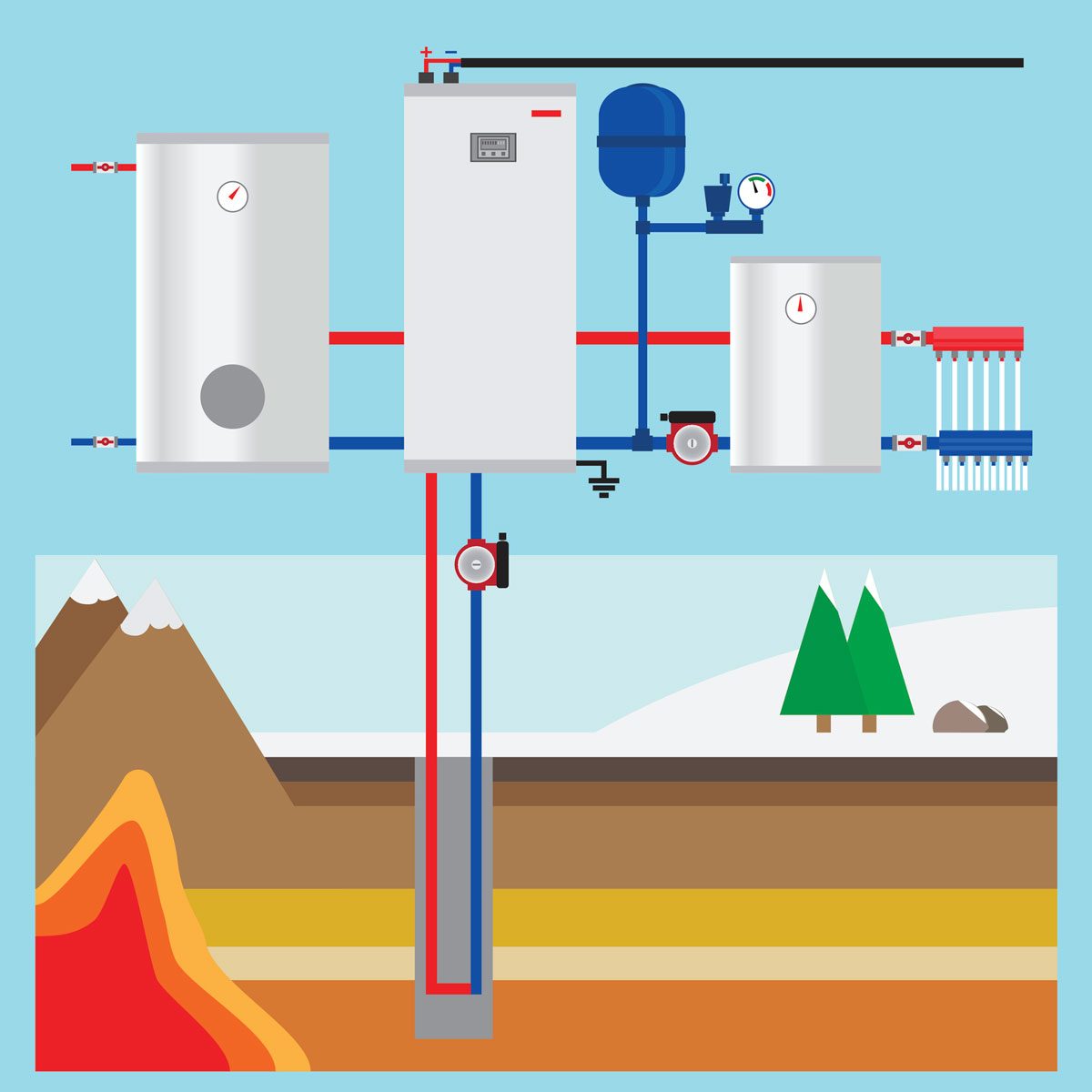
The performance of heat pumps is a key factor for homeowners considering this technology for warming and cooling their homes. Unlike conventional HVAC systems, heat pumps transfer heat rather than generate it, leading in higher efficiency levels. They can produce up to 3 times more energy than they use. This means that for every unit of electricity consumed, heat pumps can deliver multiple units of heating or cooling, which significantly reduces energy bills and enhances overall home comfort.
When assessing the efficiency of heat pumps compared to conventional systems, it's crucial to consider the Seasonal Energy Efficiency Ratio (SEER) and the Heating Seasonal Performance Factor (HSPF). Heat pumps often carry superior ratings than standard furnaces and air conditioners, showcasing their ability to operate efficiently throughout different seasonal demands. As technology improves, many models incorporate variable-speed compressors and smart controls, additionally optimizing energy use while adapting to the home’s specific heating and cooling needs.
In colder climates, where traditional systems may fail, modern heat pumps have shown remarkable improvements in performance. Innovations in winter technology allow heat pumps to operate effectively even in low-temperature conditions, ensuring consistent indoor comfort year-round. As energy efficiency standards keep to rise, heat pumps are poised to become the favored choice for homeowners eager to minimize their environmental footprint while reaping substantial long-term savings on their energy bills.