Artificial Intelligence Agents in Video Games: Redefining Interactive Experiences


In recent years, the video game sector has experienced a significant transformation with the emergence of AI agents, changing the way players engage with their virtual environments. These AI systems are not just tools; they are capable of making independent decisions, adapting from player behavior, and enhancing overall gameplay experiences. As creators explore the potential of AI agents, we are observing more immersive narratives and fluid interactions that were once only envisioned in sci-fi.
But what exactly are AI agents and how do they differ from conventional gaming characters? In essence, AI agents employ sophisticated algorithms and machine learning techniques to respond to player actions, adjust to varying gameplay styles, and even predict future behaviors. This shift towards more sophisticated AI is not confined to gaming alone; it is echoing across multiple sectors, transforming how businesses operate, engage with customers, and optimize processes. In the subsequent sections, we will explore the diverse applications of AI agents, their benefits, and their capability to revolutionize not just the gaming world, but also the broader business environment.
Comprehending AI Agents and Their Impact
Artificial Intelligence agents are self-sufficient programs created to carry out specific tasks independently of human intervention. Utilizing advancements in ML and natural language processing, they can learn from information, adapt to customer behavior, and execute intelligent decisions. Unlike conventional software that demand manual input for every operation, they offer a degree of autonomy and smartness that allows them to function on their own, providing immediate answers and recommendations.
This effect of these agents covers various fields, reshaping how businesses operate and interact with customers. In a quickly changing online landscape, businesses are embracing AI agents to improve efficiency and simplify processes. By mechanizing mundane tasks such as customer inquiries, prospect development, and data evaluation, they can concentrate on key initiatives, thus driving expansion and innovation. This change not just boosts output but also improving the complete customer experience, as they can respond promptly and accurately to user requests.
As the look to the future, the function of these tools in in client support and in-house systems will continue to grow. They are being integrated into a variety of functions, from selling and promotion to healthcare and financial services, demonstrating their versatility. When organizations realize the potential of AI agents to provide tailored interactions, enhance customer service provision, and lower business costs, the need for AI agents will undoubtedly increase, leading to more advanced uses and capabilities in the coming years.
Applications of AI Agents in Business
Artificial Intelligence agents have become essential in enhancing productivity across diverse business sectors. In customer service, they manage questions and support requests, enabling companies to provide 24/7 assistance avoiding the need for human intervention. This shift not only shortens response times but also cuts operational costs, allowing human agents to focus on difficult tasks that require understanding and decision-making skills. Businesses implementing AI agents experience enhanced customer satisfaction and loyalty as a result of these faster, effective communications.
In marketing, AI agents play a key role in simplifying campaigns and generating leads. They examine vast amounts of data to identify trends and customer preferences, helping marketers customize their strategies effectively. These agents can enhance advertising performance in real-time, meaning campaigns are consistently refined based on prompt feedback. The streamlining of these processes saves time, boosts targeting accuracy, and ultimately drives increased conversion rates, making marketing efforts more successful and trackable.
Moreover, AI agents have changed project management by boosting team collaboration and tracking progress. With https://nenos-software.ro/ and monitoring capabilities, these agents can streamline workflows, ensuring that projects stay on track and within budget. They provide project insights, encourage communication among team members, and help in resource allocation. As a result, businesses can utilize the full potential of their workforce and adapt swiftly to evolving project demands, fostering a culture of adaptability and advancement.
Future Developments and Best Practices for AI Agents
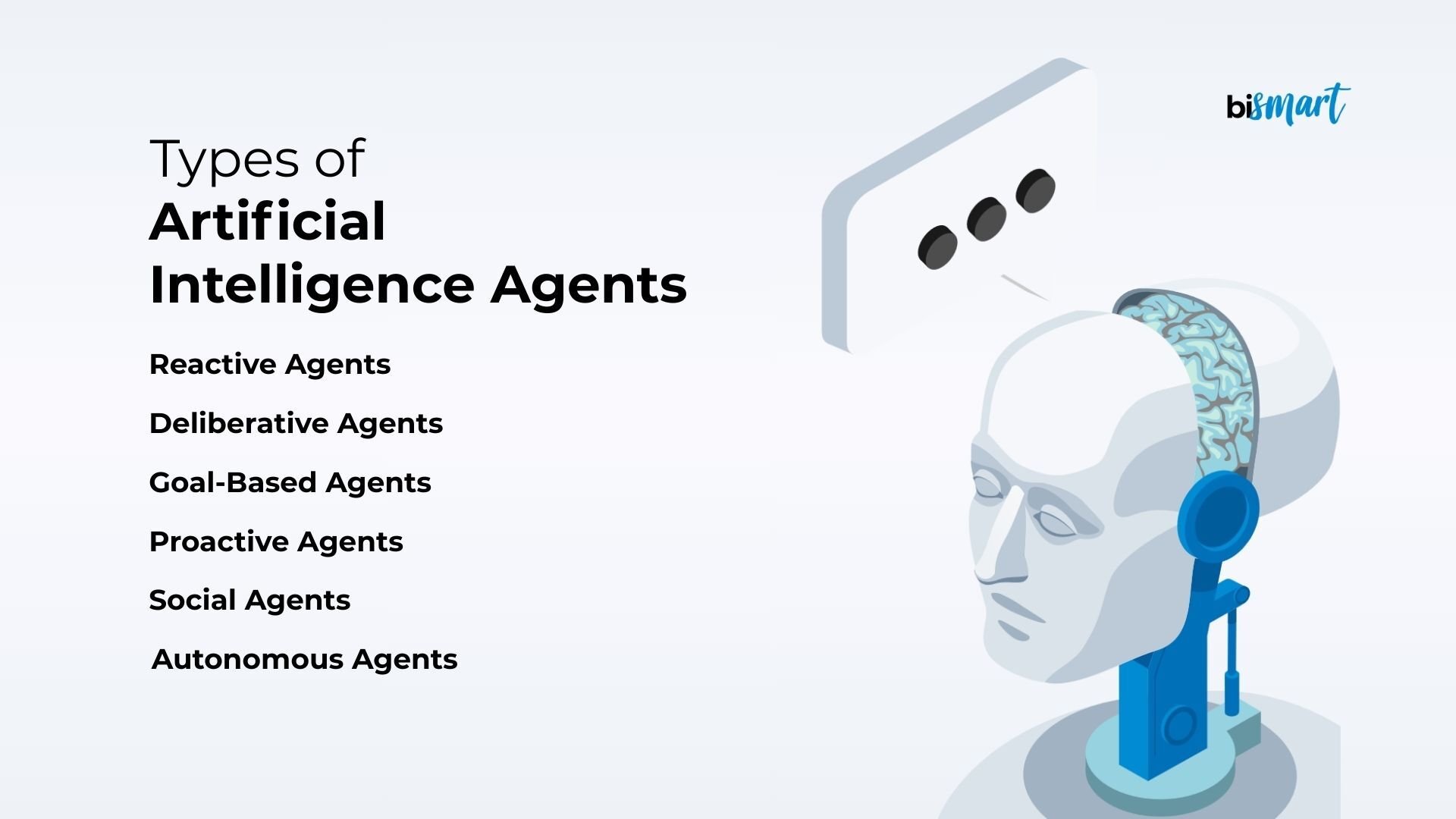
As AI continues to evolve, the future of AI agents is set to bring remarkable advancements in NLP and ML capabilities. This will enable AI agents to interact in more nuanced and context-aware interactions, providing users with personalized experiences that can adjust in real-time. Industries will more and more adopt AI agents to enhance operations, with a emphasis on developing more intuitive tools that seamlessly integrate into routine workflows, boosting productivity and user satisfaction.
Best practices for implementing AI agents center around ensuring privacy of information, user trust, and ethical practices. Organizations should prioritize clear operations, where users are notified about how their data is utilized. Additionally, continuous monitoring and incremental improvements will be essential to refine AI agents over time based on user feedback and performance metrics. By fostering an environment of collaboration between humans and AI, companies can maximize the benefits while reducing potential risks associated with automation.
Looking ahead, the integration of multi-agent systems will become more prevalent, allowing AI agents to collaborate in advanced ways to solve complex challenges. This collaborative approach can lead to improved problem-solving abilities and advancements across various sectors. Organizations should keep up of these trends and allocate resources in training and infrastructure that support the effective use of AI agents, ensuring they harness their full potential to drive business growth and efficiency.